
A solid beverage program is critical for any full-service hotel worth its salt, but some properties craft cocktails that generate enough buzz that the drink itself becomes a part of the hotel experience.
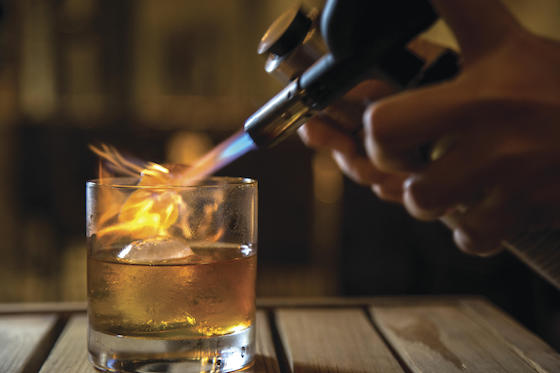
“More and more, our guests are searching for where they want to stay based on where they want to imbibe,” says Gary Gruver, Marriott International’s senior beverage manager, global operations. “At our new Moxy in Times Square in New York City, our guests’ main concern is the rooftop bars and having several options for getting the night started.”
“Most of all,” he adds, “Each destination needs a point of view. This can be an idea, a spirits category, the local culture or a class of cocktail.”
“The big message is that hotels understand that bar programming, almost more than restaurant, is important to in-house guests and to their viability in the community,” says Susan Terry, vice president of culinary and F&B operations at Milwaukee, Wisconsin-based Marcus Hotels & Resorts. “It’s the one that connects the most and now generates the most revenue.”

“You need a really strong bartender and crew,” she says. “If you don’t have the right talent behind the bar, you aren’t going to get the right results. You’ve got to give them the space to do what they do and buy the tools they want to use. They have to balance speed and efficiency. If you have to wait 12 minutes for a drink, you will be frustrated. Above all,” she notes, “a bar has to be fun.”
As for ROI: “You’ve got to spend money to make money,” Gruver says. “Our overall philosophy is that our guests are looking for elevated experiences and they will come to us just for having the right outlet. We always try to stay on trend or ahead of trend to give us a competitive edge.”
Here are four of those hotel bars seeing real results:
Scarfes Bar, Rosewood London
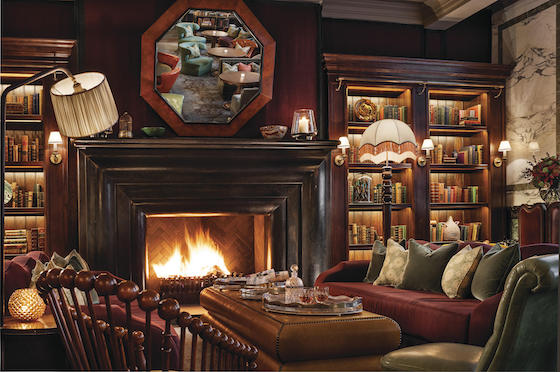
Scarfes Bar is named for British caricaturist Gerald Scarfe, whose art adorns the marble walls. Velvet armchairs, a roaring fire and and antique books complete the club ambience. Very British – as is the crowd, which Managing Director Michael Bonsor estimates at about 80% local.
The bartenders are outfitted in green tartan trousers and smart white waistcoats; Bonsor says guests ask to buy some of the clothing. “As a hotel guest, you feel you’re part of the London social scene and you don’t need to leave the hotel.”
The hotel opened in October 2013. Bonsor estimates that the bar business has grown about 12% annually. “One would only expect about 3% to 5% growth.” Head bartender Greg Almeida just won a Patron contest for top U.K. bartender. The best-selling cocktail is the Bombay Sapphire Highgrove, inspired by a country estate of Prince Charles.
Prep is extensive and occurs in a separate room, Bonsor says. Cocktails average £15 (US$19.80).
The Living Room, Dewberry Hotel, Charleston, South Carolina

When the posh Dewberry, in a former federal building, announced it was bringing on highly regarded mixologist Ryan Casey, formerly of McCrady’s and FIG, the buzz started even before the official opening in June 2016 and hasn’t slowed since. “We have about 50/50 locals and hotel guests,” he estimates.
Clad in a white dinner jacket, Casey cuts a dashing figure behind the elegant brass bar that is the focal point of The Living Room, furnished in mid-century modern. He concentrates on the kind of spirits-forward cocktails popular a hundred years ago, stirred not shaken. His best-seller is a US$14 old fashioned with Basil Hayden bourbon and “dressed to the nines with our fancy ice cube branded with the hotel’s signature D. We’ve only been open a little over a year and I’m approaching 5,000 sold,” he says.
Specialty ice, a signature here, is delivered daily as a 300-pound block broken into eight sheets. Casey uses stems and rocks glasses, different for each drink.
“The Living Room has exceeded our expectations for revenue and enjoys an above-average amount of liquor sales to food sales.” Drink prices: US$12-US$16.
Stoke, Marriott City Center, Charlotte, North Carolina

“We use all locally sourced ingredients because people love supporting where they’re from,” says the director of eat & drink, Sean Potter, who set up the bar program with Marriott’s Gruver.
Stoke opened in August 2016. About 70% of patrons are local and many hotel guests choose the hotel because of the bar. Lead bartender Samuel Rouson, dressed in checkered shirt, a vest and jeans, makes his own tinctures, syrups and infusions. “We even have a smoking machine for making smoked cocktails,” Potter says. Fresh juices are squeezed and bottled cocktails are made in a prep room.
The best-selling signature is a single barrel Old Fashioned, served over a big ice ball, with the bitters aromatized by lighting. The bar goes through a 55-gallon barrel in six weeks. Drink prices range from US$10 to US$16.
The Front Yard at The Garland, North Hollywood, California

After a remodel, The Front Yard at Marcus’ The Garland hotel launched in May 2015. The Garland Director of F&B Oliver Goldsmith had an ambitious goal of US$6.5 million to US$7 million for the restaurant. He hit US$7 million and says 30% comes from bar sales. Bartenders wear a classic back vest and a black tie or bow tie, gray shirts and black jeans.
“It’s extremely popular with locals,” says Goldsmith, who participates in community events such as farmers’ markets. “It costs us little or nothing to be part of these events and we get a lot out of it.” He also uses social media, boosting reviews to 4 stars on Yelp.
Premium spirits and house-made syrups, shrubs and fresh juices are the focus. Best-sellers are the Strawberry Fields (strawberry juice and vodka) and the Cucumber Press (gin, cucumber juice, cilantro and St. Germain); the bar sells 25 to 30 on busy nights. Drinks average US$12 to US$14 and come out in seven minutes or less.
Contributed by Beverly Stephen