
There are many memorable scenes from the eighties aviator classic “Top Gun.” Maverick flipping the bird to the pilot of a Russian MiG; Goose’s sad demise; and, of course, one shirtless beach volleyball game. At the core of the movie is the idea of greatness, what Viper refers to as “the best of the best.”
A panoply of greatness exists in the hospitality industry. And yet, still, there are some that shine a little bit brighter—the elite. It’s within that vein that HOTELS Magazine is proud to introduce its inaugural Top Talent Awards, recognizing the most influential people who promote, operate, build and invest in the hospitality industry.
We recognize five of these people, in five different categories: chief development officer, chief operating officer, chief financial officer, chief marketing officer, chief technology officer. Those recognized were nominated by colleagues and peers and decided upon by HOTELS’ editorial team. We hope you agree with the selections and, moreover, hope you enjoy their stories.
Each day this week, we will reveal the next honoree and look out for the entire feature in the September print issue of HOTELS Magazine.
David Pepper thought he’d be a master of the universe on Wall Street. Instead, he became one of the most respected and skilled chief development officers in the hospitality industry. Greek life, interestingly enough, made it happen, but not without its fits and starts.
A graduate of Tufts University near Boston, Pepper’s fraternity brother turned him on to a franchise sales job at Days Inn upon graduation. He was hired by John Snodgrass, who at the time was president and COO. The day before Pepper was to leave for the position in Atlanta, the job was cut—he was laid off before even beginning.
Unbowed, the intrepid young man trekked to Atlanta anyhow. In a coincidence of fortune, that same fraternity brother of Pepper’s had a father named Mike Leven, who at the time was president and COO of Holiday Inn Worldwide. He’d go on to become a hotel industry legend.
Pepper was able to procure a position within Holiday Inn’s sales training program; everything seemed to work out, until it didn’t. It was around this time that British brewer Bass PLC bought the international rights to Holiday Inn. A hiring freeze ensued in the States: Pepper could wait six months and see what happens or take another role with Holiday Inn—in Mexico.
“I go to Mike Leven’s house for dinner, and I’m going to tell him I don’t want to move to Mexico,” Pepper said. He was 22 years old at the time. That’s when Leven corrected him. Before Pepper had the chance, Leven enthusiastically offered congratulations: “You’re going to be the most wanted person,” Pepper remembered him saying. “You’re going to know the business; you’re going to learn Spanish; you’re going to know Mexico. When do you start?”
Pepper moved to Mexico to sell franchises throughout Latin America. NAFTA took effect around this time, removing trade barriers between the U.S., Canada and Mexico. It was his first job in the hospitality business, but not his last.

A FINE CHOICE
In 2002, Pepper, affectionately called Pep by peers and colleagues, joined Choice Hotels International as its VP for franchise sales and development for the company’s new-construction brands. By 2015, he was chief development officer. He’s been there since, expanding Choice’s market presence, helping launch its upscale Cambria Hotels brand, relaunching the Suburban Studios and WoodSpring Suites brands and playing a pivotal role in the acquisition and integration of the Radisson Hotels Americas brands.
Pepper has always been a development honcho—building owner relations, making deals, selling franchises. One might think he’d reminisce on a particularly rewarding or onerous deal he got across the finish line as a crowning achievement; instead, his biggest feat, he shared, has nothing to do with business. “It’s the culture we’ve created here,” he said, after jokingly saying that it was the fact that Choice has kept him around for so long. “They say you can have the greatest strategy in the world, but culture can eat strategy for breakfast. I’m proud to have kept a great culture within not just the development organization, but also within Choice.”
Building culture is hard; it takes time. Building rapport with the franchisee community is just as challenging, Pepper said. “Every day we are out there to try and make sure that our franchisees make money,” he said. “If they make money, we’re going to do well. And that’s hard.”
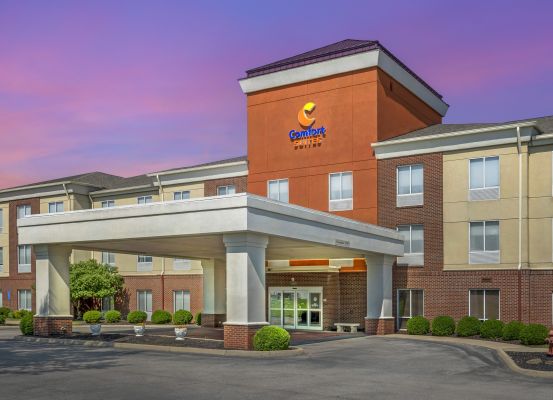
It’s also a humbling business, but one that is as rewarding as it is demanding. “What humbles me is when a franchisee thanks me for advice,” he said. Sometimes the advice might not be what they wanted to hear at the time, such as, “You told me not to build there, and you were right,” Pepper said, or, conversely, and better, “You told me to build here, and you were correct.” He wells with pride when he drives by a Choice hotel knowing that the franchisee is doing well, making money. “It’s humbling to be part of something that’s changed lives,” he said.
One of his biggest pieces of advice for someone who harbors the intention of owning a hotel is one that is simple on its face. “So many times people will say to me, ‘I got this land; it’s so cheap; and I can build cheap.’ I always go back to the same thing: ‘Tell me about the market. Are jobs being created? What is the economic environment?’ That’s what I care about.”
Pepper is coming up on his 25th year with Choice. He recognizes how fortunate he is. “Owners know I have their best interests at heart,” he said. “That’s why I’ve been able to stay so long. And I think Choice knows that I represent them well, too.”
