
At Ovolo Hotel’s Mojo Nomad in Hong Kong, guests can book a bed for as little as US$30 a night. They can buy a drink at the bar and cook a meal in the communal kitchen. Most important, they can open their laptop, work in the open co-working space and mingle with peers.
Mojo Nomad is among a new breed of co-working, co-living properties. Parent company Ovolo and other operators are not simply moving into adjacent spaces but developing a hybrid accommodation that is part-hotel, part-hostel, part-serviced apartment.
“We saw a gap in the market – a need for accommodations that blended affordability, functionality and design,” said Tim Alpe, chief operating officer of Hong Kong-based Ovolo. “People say they had their best time in college. There’s no reason that has to finish.”

Ovolo is targeting “digital nomads” who travel and work remotely in gig economy jobs. Co-living residences are appealing because they are inexpensive and can be booked for short or longer-term stays. Guests can book a private room or opt for a bunk bed and locker in a shared room.
Ovolo opened the first Mojo Nomad late last year in Hong Kong’s Aberdeen Harbor neighborhood, refurbishing a conventional hotel property. The company plans to launch a second Hong Kong location this year and is eying development in Australia, Southeast Asia and China.
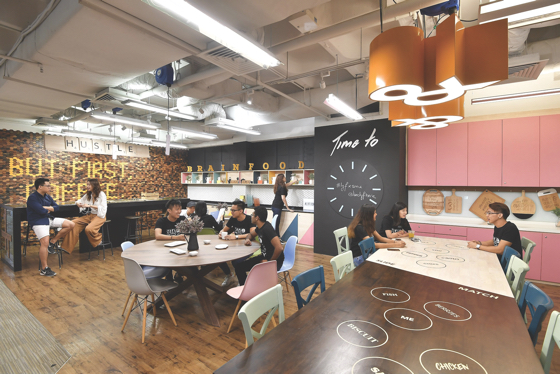
Singapore-based apartment hotel operator Ascott is launching its co-living, co-working format, Lyf. The company secured five properties in China, Singapore and the Philippines and plans to open its first Lyf hotel in Shenzhen, China, this year. Ascott plans 50 properties with 10,000 rooms by 2020, according to Mindy Teo, vice president for brand & marketing and digital innovation, and is considering European markets, including France, Germany and the United Kingdom.
Teo expects the format to win millennials who “tend to mix business with leisure.” Each property will include communal spaces that can be used for workshops or social gatherings. Laundromats and kitchens are expected to become social hubs. A survey of millennial guests at Ascott’s serviced residences showed that although guests are willing to share social spaces such as the kitchen, they prefer the privacy of their own bathroom. As a result, all the apartment units are designed to have their bathroom ensuite, Teo added.