
A hotel breakfast experience is like a first date: A good one or not so good one leaves an indelible mark on the rest of the stay. Hoteliers are taking the breakfast business more seriously than ever. HOTELS spoke with a few of them to get down into the nitty-gritty of the most important meal of the day.
Many guests have become food detectives—they want to know where their meals come from and how they are made. To leverage this appetite, hotels are investing in made-in-house or locally sourced, high-quality ingredients as a way to show thoughtfulness and intention. At JW Marriott Reston Station in Northern Virginia, examples include its French toast, accompanied by maple bourbon from a local distillery; oatmeal from the South Carolina-based, artisan-driven Anson Mills; and a rooftop garden where strawberries grow along with lavender and other herbs.
Caffeinated Minds
One of the clearest indicators of this level of scrutiny is coffee. As guests have become increasingly sophisticated in their coffee expectations, including iced, plant-based, or alternative milk options, the standard drip machine with unrecognizable ground coffee has demanded a facelift. Pre-portioned pod systems bridge quality and consistency, while also enabling a wide range of formats, blends, and customization with ease. “Rather than requiring multiple pieces of equipment, hoteliers can look to solutions that deliver iced lattes, cappuccinos, Americanos, hot water for tea, and milk-based beverages from a single system—meeting increasingly varied guest preferences without adding operational complexity,” said Courtney Waldfogel, director of B2B sales at Nespresso.
With a wide range of guest profiles, a one-size-fits-all approach is gone, replaced by menu options that accommodate different lifestyles and preferences, from protein-rich and lighter fare to more comfort-driven and seasonal offerings. “We really work on elevated breakfast classics,” said Sunny Mahkni, director of hospitality operations at JW Marriott Reston Station. “We have a heavy smoothie program; a freshly squeezed juice program; and all our pastries are made in-house. [Guests] don’t want something that’s bought from a store, heated up, and served.”
Guests are especially vocal on social media—today, everybody’s a critic, especially when it comes to value. “Guests are very well educated; you cannot fool them,” said Mahkni. “If you’re charging them $45 for a crab cake benedict, you’re not going to do well and you’re not going to be able to sustain your business.”
Branding Matters
Experience is everything and so is brand storytelling. Luckily, whether it is embracing all-day brunch culture, capitalizing on the popularity of one dish, or elevating coffee expectations, as well as drawing lessons from restaurants and food-innovation hubs, there are multiple options to dive into the trend.
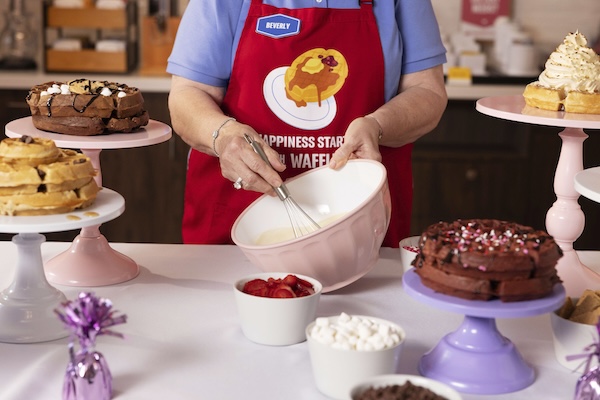
Consider Hilton’s Hampton brand. It prides itself on representing warmth, familiarity, and comfort… through waffles. “We’ve continued to evolve the experience over time through seasonal flavors and programs,” said Shruti Gandhi Buckley, SVP and brand leader of Hampton by Hilton. In 2024, Hampton unveiled its Waffle Bosses program, a trio of breakfast hosts that were recognized for their skills in creating innovative recipes for Hampton’s signature and seasonal waffle flavors. In August, the Peach Cobbler Waffle will be unveiled at 2,500 Hampton properties in the U.S. and Canada.
Behind the Table
The main challenge threatening the hotel breakfast experience is food costs, particularly for eggs, dairy, fresh produce, and coffee, all of which have risen sharply, squeezing margins. In addition, labor costs compound the challenge, and wage pressures have accelerated the shift toward self-serve formats and grab-and-go options. “Many properties have responded by simplifying menus and reducing offerings, but the smart response is to reduce waste and complexity while protecting the touchpoints that drive meaningful experiences, such as leaning on reliable suppliers and systems that deliver consistent quality whether it’s the first guest or the hundredth,” said Waldfogel. “For operators, pre-portioned systems help manage waste and cost through precision consumption and recyclability.”
Another challenge is menu engineering to evaluate which items are top sellers and which are bottom sellers. “If occupancy is high, you have to schedule staff accordingly, schedule your product accordingly, and make sure you have enough product for the day,” said Mahkni.

Next Course
With the rapid adoption of AI and other advanced technologies, dining venues will become even more crucial touchpoints for human connection. “Guests want more choices and personalization, but they also value consistency and reliability, especially when they’re on the road,” said Buckley. “The opportunity lies in delivering in a way that feels simple and seamless for the guest.” There will continue to be a greater focus on quality and variety across menus to “give guests something to look forward to each morning,” she said.
