
The Biltmore Hotel Coral Gables in Miami celebrated its 100th anniversary this year. From an operating perspective, reaching that milestone raised an important question for those of us now focused on the next chapter in its evolving story: What does it take for a historic hotel to remain relevant for the next hundred years?
Hotels are shaped by change. For example, guest expectations evolve, sought-after destinations change, technology advances and the definition of luxury travel shifts. Historic properties are not only subject to these forces, but have the added responsibility to preserve the character and sense of place that made them significant in the first place.
At the Biltmore, that preservation begins with maintaining the historic architectural integrity, while recognizing that longevity also requires continued investment. A hotel can’t presume to remain relevant simply because it has a storied or important past.
Legacy Reimagined
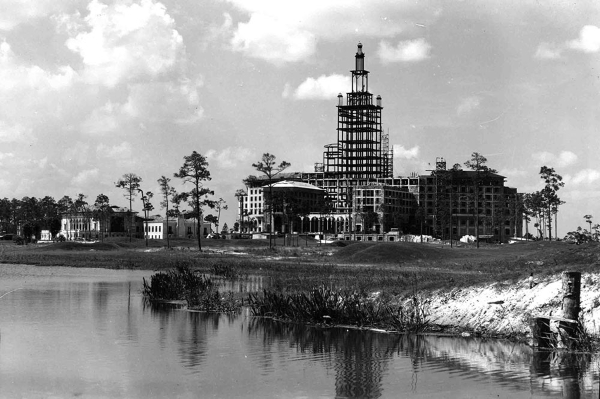
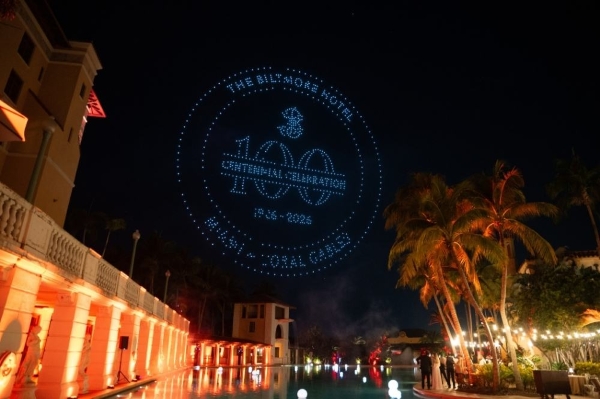
On the 100-year mark of the hotel’s original 1925 groundbreaking, we buried a time capsule with various materials from the property’s past that future generations will be able to enjoy when opened in the future. Then, during our centennial gala celebration, we used over 1,200 drones to tell the hotel’s story across the Miami night sky. The two celebrations recognized the history of the property in very different ways, reflecting the balance between honoring what came before and what will continue as we move forward into our next century.
The Biltmore’s history is also one that demonstrates how much a property can change while maintaining its original identity. The property opened in 1926 during the Florida land boom, and over the subsequent decades—apart from its initial hotel role—it served as a military hospital, a munitions and ordnance storage facility and an early home of the University of Miami’s medical school, before eventually returning to the hospitality realm as an operating hotel resort facility. While Coral Gables and Miami have vastly transformed around it, the Biltmore has remained a consistent, recognizable part of the community through each chapter of its life and also as an epicenter for many significant events.
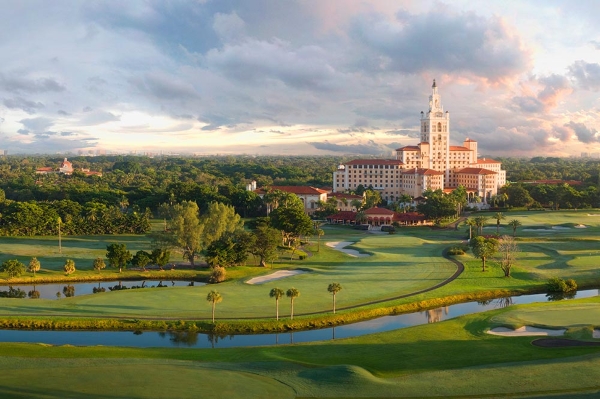
Guests choose historic hotels because they value the qualities that make their stay unique yet familiar and the backdrop of its historic opulence. At Biltmore, that encompasses hand-painted frescoes, travertine floors, Mediterranean Revival architecture and a tower inspired by La Giralda in Seville, Spain.
History, however, does not lower a guest’s expectations: reliable technology, strong connectivity, thoughtful lighting, comfortable guestrooms and building systems that perform to modern standards are table stakes.
Meeting those expectations in a century-old property can be a challenge that requires ongoing investment, much of which the guest will never see. Some of the most important work involves replacing aging infrastructure, restoring original materials with specialized certified craftspeople and introducing new systems without compromising the architecture around them. Success is often measured for us by how little attention that work calls to itself.
Center of Attention
George Merrick, the founder of this municipality, together with hotelier John McEntee Bowman envisioned Coral Gables as an ambitious new city with the Biltmore as its centerpiece. Continuing that legacy requires the same willingness to move forward while understanding which elements of the property should remain constant—both within and extended beyond its architecture. We believe a hotel’s legacy is also built through its people, traditions and consistency of service. The Biltmore has team members with backgrounds from over 45 countries, whose connections to the property span generations.
This is further apparent when seen through the lens of Miami’s growth within the hospitality landscape. Miami-Dade County has become one of the world’s most dynamic luxury markets, supported by continued investment and attracting global events, such as Formula 1 and FIFA World Cup.
Additionally, new hotels have brought exceptional design and amenities to the market, thereby raising guest expectations and the need to maintain a clear identity for everyone else operating within the market space. For us, there is little point in trying to become the new hotel on the block when our greatest advantage is legacy.
Moving Forward
As we look into the future, the next century will inevitably bring changes we cannot anticipate today. The duty we and other historic hotels have is to understand what can responsibly evolve and what should endure, thereby preserving history without constraining required progress. As luxury hotels become more sophisticated, individuality and an authentic connection become increasingly meaningful differentiators. That approach ensures relevance rather than nostalgic, and ensures that today’s traveler seeks out landmark properties without feeling as though they are staying in its past.
Story contributed by Tom Prescott, president & CEO, The Biltmore Hotel Coral Gables-Miami.