
Global Hotel Alliance (GHA), a global alliance of independent hotel brands, has released research on the travel trends set to shape 2027. The research is based on insights from 9,000 members of its GHA DISCOVERY loyalty program, which counts 38 million travelers globally.
Japan remains at the top of members’ travel wish lists for the third consecutive year.
The research found that 81% of members expect to use AI tools such as ChatGPT, Gemini, or Claude for their trips next year, up from 62% who said a year ago that they had already used AI to plan a trip. Building itineraries (48%) and researching destinations (47%) lead the uses. Among Baby Boomers, 63% now expect to use AI, compared with 32% who had used it a year earlier. Only 37% trust AI to recommend the right hotel, and only 4% would let it book travel on their behalf.
Travel remains a fixed part of members’ lives. Some 89% say they are happiest when they have a trip to look forward to, 80% call travel an essential part of who they are and 73% would rather spend on travel than other things. Some 65% say travel is non-negotiable and they will make sacrifices elsewhere to protect it. That commitment is strongest among members in the UK, Switzerland and China. Among those who expect to travel less next year, rising travel expenses (38%) and work or family commitments (37%) lead the reasons, while 6% say they have less desire to travel.
Leisure travel will hold steady in 2027, with international trips leading. Some 41% of members plan to travel more internationally for leisure, against 7% who plan to travel less. Domestically, 27% plan more and 9% less. Members in India are the most upbeat, with 69% planning to travel more for leisure, followed by Thailand (58%) and the UAE (52%).
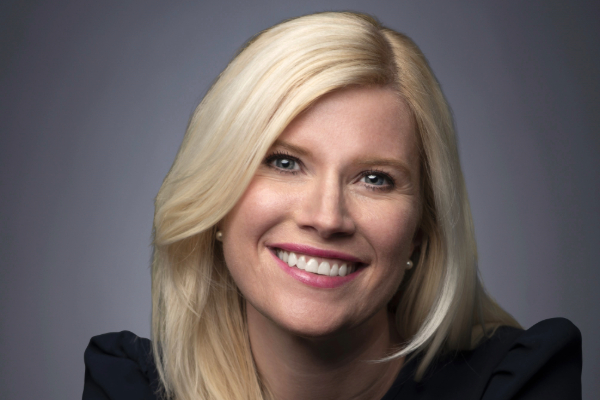
“Our research shows that the desire to travel remains stronger than ever, with members increasingly valuing the experiences, connections and memories that travel brings,” said Kristi Gole, executive vice president of strategy of Global Hotel Alliance.
“As hotels become an even more important part of the overall travel experience, loyalty programs have a real opportunity to make those stays more personal, rewarding and memorable. And while AI is changing how travelers discover and plan their journeys, loyalty provides the trust and connection that influence where they stay and why they return. Ultimately, it’s about helping travelers discover more, experience more and get greater value from every journey,” she added.
On loyalty, 91% of members say a loyalty program can persuade them to choose one hotel over another. Loyalty benefits can also make them book directly rather than through an online travel site. Some 70% rate room upgrades above earning points or rewards, and 62% value recognition and special treatment more than rewards. Some 82% say belonging to a global program makes them more comfortable trying a hotel brand they do not know. In China 78% of members, in Malaysia 79% and in Indonesia 83% choose the loyalty program before the hotel.
On hotel choice, 84% of members say the hotel they choose can make or break a trip, and 76% are willing to pay more for a hotel experience that feels special, rising to 86% in the UK. Some 73% prefer hotels with personality over standardized ones, and 65% say a hotel can be the reason to choose a destination. Food and beverage influence the decisions of nearly 40% of travelers globally. An exceptional breakfast is the top reason members would dine at their hotel (50%), ahead of authentic local cuisine (36%) and a highly regarded signature restaurant (24%).
Japan is the members’ most wanted destination for the third year running, followed by China, the U.S., Thailand, and Italy. South Korea ranks among the top destinations for UK travelers, Vietnam is a leading choice for Indian travelers, and Indonesia for Japanese travelers. France and Spain remain among the most popular destinations for U.S. travelers.
