
Javier Coll knows a thing or two about the all-inclusive space. A 30-year hospitality industry veteran, he co-founded AMResorts, one of the largest luxury all-inclusive platforms in the world, before its acquisition by Hyatt Hotels Corp. in 2021. Now president of management company Mullen Hospitality, Coll is leading the development and operation of the first all-inclusive property under the JW Marriott flag: JW Marriott Costa Elena Resort All-Inclusive, in Guanacaste, Costa Rica, which opened in September.
For Coll, the move reflects the maturation of the all-inclusive segment, which he says has evolved well beyond its traditional roots. Today’s luxury all-inclusive traveler expects the same quality of food, beverage, service and experiences found at a traditional luxury hotel, with the added convenience of having everything prepaid.
HOTELS spoke with Coll about why and how this transition is occurring and more.
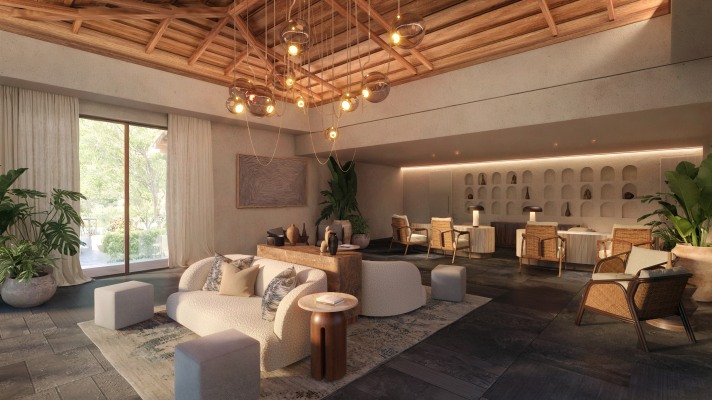
HOTELS: What makes now the right moment for a luxury brand like JW Marriott to embrace the all-inclusive model?
Javier Coll: For many years, all-inclusive and luxury were viewed as separate segments. Today, that is no longer the case. Travelers have become more sophisticated, and the all-inclusive model has evolved dramatically. Luxury guests are looking for exceptional experiences, convenience, personalization and peace of mind.
Brands like JW Marriott have earned the trust of travelers over decades, and we believe this is a natural evolution. For the last 30 or 40 years, the segment has proven itself and is now one of the fastest-growing areas in hospitality, not just from the growth of properties but also from the investment perspective.
HOTELS: You have more than 30 years of experience in hospitality and previously helped build AMResorts. What lessons from that experience have influenced how you are approaching this project?
Coll: The biggest lesson is that growth only works with win-win operations and the right distribution. Those two things were very important to us. At AMResorts, we focused on building brands from scratch and developing disciplined operating systems, delivering consistency across every property and maintaining standards. All of that created confidence among owners and loyalty from guests.
We are following basically the same philosophy: operational excellence, financial discipline and long-term value creation. We really believe brands create demand, but operations create reputation. That is the core of what we do.
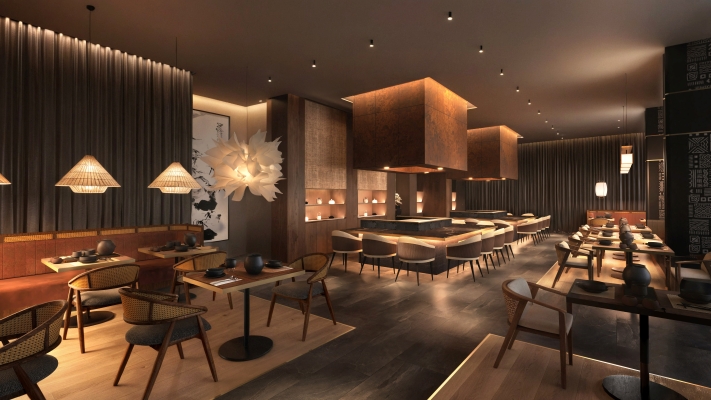
HOTELS: What excites you most about this particular project?
Coll: We want to show that this property is as good as—or even better than—many other JW Marriott hotels in the world. The fact that it is all-inclusive is irrelevant. It’s not something that is just a trend that everybody is doing now. It has been around for a long time. We started the luxury trend in all-inclusive, but now all the brands are perfecting the concept and bringing the experience they have developed over many years.
HOTELS: How has the definition of luxury all-inclusive evolved over the past decade?
Coll: When we started in all-inclusive, it was basically Club Med and a couple of other brands. Today, the only difference between a traditional luxury hotel and an all-inclusive luxury hotel should be that the latter is prepaid, so you don’t have to pull out your wallet or pay the bill at the end of the day. The service, the level of the restaurants and the level of food and beverage should be exactly the same.
HOTELS: Running an all-inclusive resort requires a different operational mindset than a traditional luxury hotel. What separates the best operators from the rest?
Coll: A traditional hotel primarily optimizes room revenue. That’s what they’re focused on, and even the KPIs are focused on optimizing room revenue. In an all-inclusive, we optimize each part of the guest journey. Every meal, beverage, activity, wellness experience and guest interaction contributes to the transaction.
The best operators don’t manage departments independently. They orchestrate one seamless guest experience through coordination, forecasting, labor management, F&B controls and a strong service culture.
It’s like an orchestra and you have to understand how everything works and how everything interacts. The guest has already prepaid for everything. Now you have to focus on service and the spirit of the experience.
Last, guests are more or less captive. Everything that happens is going to be part of their experience when they get back home.