
Biophilia. Bringing the outdoors in. Contextual, experiential design. Orienting buildings to maximize daylight and exquisite views. These design moves, and many more, are in a resort architect’s DNA – and always have been. The wellness label is a term used to characterize what resort designers have been doing for decades: crafting places that provide sanctuary and respite, calming the mind, soothing the soul, refreshing and rejuvenating the body.
Regardless of location, whether it’s a densely populated urban environment or a remote waterfront site, resort design embodies health and wellness principles, and not just for guests. Designing in harmony and with regard for the natural environment and its limited resources is a significant design consideration.
Don Harrier is office director and co-director of hospitality at HKS San Francisco.
Yet within the context of trends and the phenomenal growth of wellness destinations, how much influence can design have on our well-being, beyond what are now considered standard amenities – the spa, pool, treatment rooms and gym?
Heightened interest in guest room amenities and well-focused operations, including organic bath and personal care products, healthy minibar fare and hypoallergenic bedding; well-centric food and beverage offerings and programming – nourishing cuisine and farm/ocean to table fare, yoga; personal training; meditation and nutrition workshops; apothecaries; off-site adventures; seamless technology – are things guests can see, feel and experience.
Wellness design is a subtle, whole-building strategy incorporating smart programming, systems and technology that people don’t see but that promote guest and hotel staff well-being just the same. Sustainability and wellness are baked into the design from the very start of a project and are investments that don’t shift with the latest health amenity or fitness trend. Here are several wellness design strategies to consider in the project’s predesign and concept development phase.
Sweet dreams: Quality sleep is integral to good health, yet it can be elusive when travel disrupts sleep schedules with time zone changes – or simply because you’re not sleeping in your own bed. A great mattress and bedding are important, but so is lighting design. Lighting systems that can be tuned to reinforce circadian rhythms and adjust travelers to the local time, alleviating jet lag and helping guests feel rested and energized from day one.
Something’s in the air (and water): Thermal strategies such as humidification control, radiant heating and cooling and displacement ventilation enhance guest and hotel staff comfort. According to a Natural Resources Defense Council study, many cities in the U.S. rely on pre-World War I-era water delivery systems and treatment technology. Filtered air and water systems safeguard and improve two of our most vital human needs.
Sensory overload: After a harried day of travel that can overwhelm the senses, guests often arrive at the hotel feeling the need to retreat and unwind. Enhanced acoustic design promotes a quiet ambience, dampens exterior noise and helps guests relax and refresh.
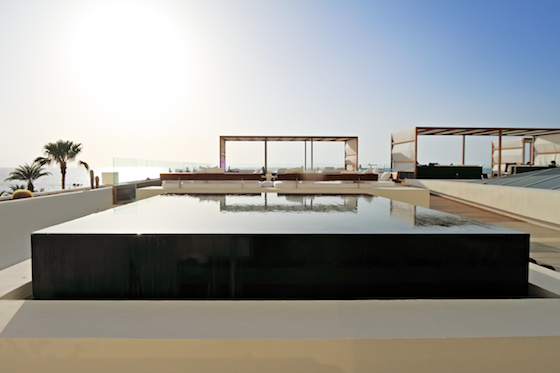
It’s second nature: In resort design, the location provides designers with opportunities to create connections to water, mountains, deserts and other idyllic natural landscapes. Design principles grounded in resort locations absolutely cross over to deliver an urban remedy: open-air, communal lounge spaces, roof top pool decks and exterior guest room views. In urban wellness resorts, the integration of nature and the soothing effects of biophilia can be intricately woven throughout public areas and private spaces with water features, a natural and warm material palette, colors, textures, ambient sounds and smells, spatial patterns and lighting.
One space fits all: Designing communal multipurpose spaces, both indoors and outdoors, to accommodate large or small group programs and activities provides operators with options to deliver integrated programming, from a pop-up detox juice lounge to shared casual workspace, a curated meditation class or communal dinner.
Mind your materials: From flooring to wallcovering, by now, everyone knows that new carpet or paint smell is chemical off-gassing and isn’t healthy for the people installing it or the people living with it. An informed selection of building systems, finishes, furnishings and individual products is fundamental to any wellness design process. Historically, material evaluation criteria included product durability, performance standards, recycled content, low or zero VOCs and regional material sourcing.
But with growing public concerns that range from the increasing incidence of cancer and autism to climate change, savvy designers take a deeper look at building products and consider their health impacts on both people and the planet. Responsible product selection criteria includes evaluation of the chemical content and the environmental life cycle impacts of the products, and not just for the end user: construction, cleaning and guest room products can be screened to reduce pathogens and pollutants.
On-site medical facilities: This type of destination, where wellness and medical tourism combine to create intensely private and securely designed locations, offer every luxury wellness therapy or non-invasive cosmetic procedure available. Destinations with complete medical buildings include surgery and recovery suites that from the exterior, appear identical to the resort’s other buildings, providing patients with discrete accommodations. Of course, these destinations house medical personnel, including directors, surgeons, anesthesiologists and nursing staff to ensure the guest-patient is cared for as if they were receiving the same intervention in a medical facility.
Hotel developers and operators are competing for their share of an estimated global wellness economy valued at US$4.2 trillion, according to the Global Wellness Institute. As designers, we look to use the profound impact of the environment to enable a deep and abiding sense of well-being for people. Infusing resort and wellness design principles in all aspects of a project delivers an authentic wellness destination for guests, while boosting revenue when guests spend more for health-enhancing offerings.
A thoughtful design approach that cares for people – not just guests, but the staff whose well-being is essential to providing a superlative guest experience – considers every occupant. Healthy buildings for guests, hotel staff, the environment and the bottom line is a well-being prescription for all.