
In years past, the grab-and-go was a basic hotel amenity offering simple pre-packaged snacks and beverages to meet very basic needs. Today however, the days of the lone business traveler powering through a day of red eye flights fueled by coffee and nutritional bars are waning. The modern traveler is a product of the times, and with an increasing focus on health, sustainability, authenticity, and experiential living, they are becoming much more discerning about their options. This impact is not only evident in the changing face of sit-down dining but also in the evolving world of the grab-and-go as even this quick option has become a part of the overall experience and immersion of guests into their environment as an extension of the brand.
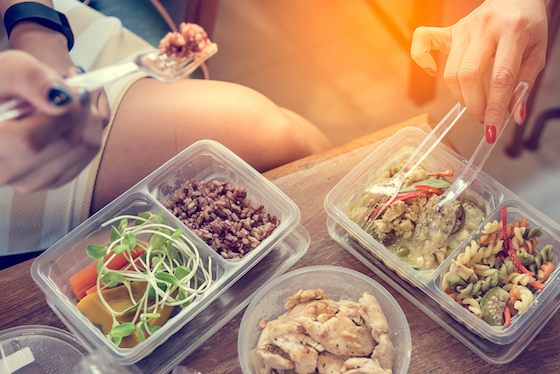
We’ve also seen a rise and proliferation of home meal delivery services. The combination of increasing demands on our time and the desire for healthier, fresher, more authentic food options have made this a very attractive option for many consumers. We can easily see how this cultural trend is also impacting the hospitality industry’s humble grab-and-go as pre-packaged, mass-produced items are being supplemented if not altogether replaced by high quality, freshly prepared, more authentic options. In essence, we are moving toward packaging the fine dining experience in a grab-and-go container.
Contributed by Tim Freeman, hospitality studio lead/senior designer at Zimmerman Weintraub Associates (ZWA)
Increasingly, grab-and-go is not just a guest amenity, but an experiential extension of the brand. We see this not just in the sourcing of local snacks and freshly made goods, but also in the physical design of the space itself. These spaces are opening up from the traditional separate and self-identifying sundry shop to become a full extension of the lobby and restaurant itself, often with a “local market” feel. Finishes are elevated to align with the hotel’s identity and design is integrated to become a holistic part of the entire guest experience. As integration is key, a property frequently must consider location when renovating. Often relocation and repurposing of existing retail space is necessary for a seamless guest experience. Locations adjacent to or within full service restaurant locations will further help to enhance brand identity as an extension of the F&B experience.
Another major cultural trend impacting the grab-and-go experience is the increase in automation and use of technology. As we’ve observed an upswing in the use of iPads for guest ordering and checkout in the fast-casual dining space, we should expect to see such unmanned purchases in the grab-and-go world as well. Part of this trend has to do with the modern traveler’s desire to have greater control over their environment, to have it adapt to them. Devices such as the self-serve wine dispenser and pod coffee stations are providing guests with the high-quality product they seek but with the added flexibility of personal control.
Designing for hotel food and beverage is a complex and ever-changing puzzle. As cultural norms continue to shift, successful owners and brands have followed course. Fiercer competition, changing patterns in work and play, increased reliance on technology which allows us to work anywhere, and a new drive for experiential encounters have all impacted how we design these spaces. As we continue to evolve, so will good design strategies to meet the needs of today’s and tomorrow’s hotel guest.